 Learn Quran

Every Muslim who has ever opened a Mushaf and tried to recite correctly has felt the weight of that responsibility. Is there a right way to recite? Does the precision of pronunciation actually matter? And what did the Prophet ﷺ say — not just in principle, but in specific, authenticated words recorded across fourteen centuries?
The hadith about reading Quran with Tajweed does not leave these questions open. The Prophet ﷺ described, in precise terms, what skilled recitation looks like, what reward it carries, and what he promised to those who are still learning and finding it genuinely difficult. These hadiths are not academic commentary on Tajweed — they are its religious foundation.
This article presents eight of the most authenticated hadiths on Tajweed and Quran recitation, each with its Arabic text, full translation, source, and an explanation of what it actually establishes — including points most online articles miss entirely.
Each one establishes a specific point: reward, vocal quality, rank in the Hereafter, the duty to transmit knowledge, and the fate of a person’s recitation after death.
Start learn Quran with Tajweed with your first free class

1. Hadith Of The Skilled And The Struggling Reciter, The Most Famous Hadith About Reading Quran With Tajweed
This is the most frequently cited hadith in discussions of Tajweed, and the most misquoted. It covers both the skilled and the struggling reciter in a single narration — and its second half is where the real reassurance for every learner lives.
Arabic text: «الَّذِي يَقْرَأُ الْقُرْآنَ وَهُوَ مَاهِرٌ بِهِ مَعَ السَّفَرَةِ الْكِرَامِ الْبَرَرَةِ، وَالَّذِي يَقْرَأُ الْقُرْآنَ وَيَتَتَعْتَعُ فِيهِ وَهُوَ عَلَيْهِ شَاقٌّ لَهُ أَجْرَانِ»
A’isha reported Allah’s Messenger (ﷺ) said: “The one who recites the Quran proficiently will be with the noble, righteous scribes [the angels]. And the one who recites the Quran with difficulty, struggling through it, will have a double reward.” (Sahih al-Bukhari, 4937; Sahih Muslim, 798 — narrated by Aisha)
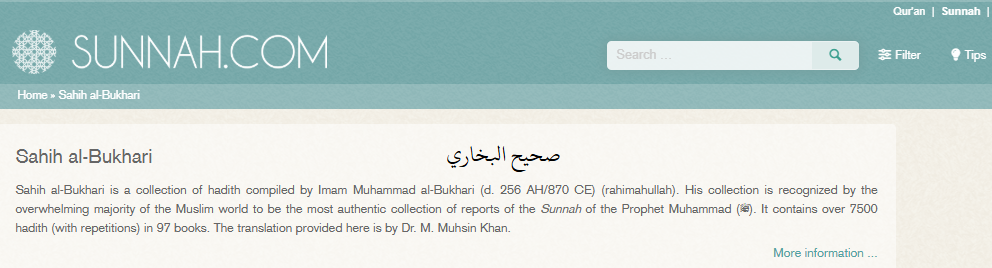
The hadith has two halves, and both carry honor. Al-mahir — the proficient reciter who has mastered the letters, their correct articulation, and the rules of Tajweed — is placed alongside the noble, righteous angels described in the Quran as messengers of the highest integrity.
The second half is just as significant: the one who stumbles (yatata’ta’) and genuinely finds recitation difficult receives two rewards — one for the recitation itself, and one for the effort. For anyone beginning Quran recitation for beginners, this is the first thing to understand: the effort is rewarded before perfection arrives.
Read also: 10 Prophetic Hadith About Reading Quran
2. Beautify The Quran With Your Voices
Alongside precision of letters, the Prophet ﷺ addressed how recitation is performed. This hadith forms the textual basis for treating vocal quality as intrinsic to correct recitation — not as decoration added onto it. The Prophet Muhammad (ﷺ) said: “Beautify the Quran with your voices.” (Sunan Abi Dawud — authenticated by al-Albani)
Arabic text narrated by al-Bara’ ibn ‘Azib رضي الله عنه «زَيِّنُوا الْقُرْآنَ بِأَصْوَاتِكُمْ». A companion narration adds: «حَسِّنُوا أَصْوَاتَكُمْ إِذَا قَرَأْتُمُ الْقُرْآنَ»,”Make your voices beautiful when you recite the Quran.” These two narrations together establish that a beautiful voice, channeled through correct Tajweed, is a form of honoring the speech of Allah — not a performance.
Classical scholars carefully distinguished tahsin al-sawt (beautification of the voice within correct Tajweed) from talhin (musical embellishment that distorts letters or pronunciation). The first is encouraged; the second is rejected.
One of the most recognized benefits of Quran recitation that scholars consistently describe is this connection between measured, beautiful recitation and deeper khushu’ — the state of heartfelt presence in worship that transforms reading into a genuine encounter with the words of Allah.
Reserve your free trial lesson for Quran Reading Classes
Read also: How Many Good Deeds For Reading The Whole Quran?

3. Allah Attends To A Beautiful Quran Recitation More Than To Anything Else
This hadith shifts the frame from the reciter’s reward to Allah’s own response — and the language used is among the most striking in hadith literature on this subject. Arabic text (narrated by Abu Hurayrah رضي الله عنه): «مَا أَذِنَ اللَّهُ لِشَيْءٍ مَا أَذِنَ لِنَبِيٍّ حَسَنِ الصَّوْتِ يَتَغَنَّى بِالْقُرْآنِ يَجْهَرُ بِهِ»
The Prophet Muhammad (ﷺ) said: “Allah has not given ear to anything the way He gives ear to a Prophet with a beautiful voice who recites the Quran aloud with it.” (Sahih al-Bukhari, 5023; Sahih Muslim, 792)
The word adhinah — “attentive listening” — implies that Allah turns His full attention to the recitation. Ibn Hajar al-‘Asqalani, in Fath al-Bari, discusses two classical readings of yataghanná: some scholars read it as encouragement to beautify the voice within the limits of Tajweed; others read it as a reference to deliberate, measured tartil.
The mainstream scholarly position is that both are compatible — a beautiful voice delivered at the correct pace, with proper articulation, is the complete picture. What this hadith does not permit is adding musical embellishment (talhin) that distorts pronunciation or the sounds of the letters.
Join our Quran Qirat Learning Course and get a free trial

4. Your Rank In The Hereafter Is Tied To How You Used To Recite Quran In This Life
This hadith moves beyond reward in this world — it connects a person’s standing in the Hereafter directly to the quality of their recitation. A term here deserves clarification before the hadith is read. Arabic text (narrated by ‘Abdullah ibn ‘Amr ibn al-‘As رضي الله عنهما): «يُقَالُ لِصَاحِبِ الْقُرْآنِ: اقْرَأْ وَارْتَقِ وَرَتِّلْ كَمَا كُنْتَ تُرَتِّلُ فِي الدُّنْيَا، فَإِنَّ مَنْزِلَتَكَ عِنْدَ آخِرِ آيَةٍ تَقْرَؤُهَا»
The Prophet Muhammad (ﷺ) said: “It will be said to the companion of the Quran: ‘Recite, and rise — and recite slowly and carefully as you used to do in this world, for your rank is at the last verse you recite.'” (Sunan Abi Dawud, 1464; Jami’ al-Tirmidhi, 2914 — graded Sahih)
Sahib al-Quran here refers specifically to the person who has memorized the Quran and maintains regular, correct recitation — not simply someone who owns a Mushaf or reads occasionally. Scholars derive from this hadith that a memorizer’s rank in the Hereafter is tied not to a certificate earned once and set aside, but to the quality and regularity of recitation throughout their life.
The phrase “as you used to recite slowly in this world” carries a condition: the recitation must have been done with tartil — with Tajweed — for the elevated rank to apply. This is among the strongest hadiths for understanding why a Quran Memorization (Hifz) Course should include Tajweed as an inseparable component, not an optional add-on.

Read also: Hadith About Reciting Quran Loudly – A Complete Guide
5. The Best Among You Is the One Who Learns the Quran and Teaches It
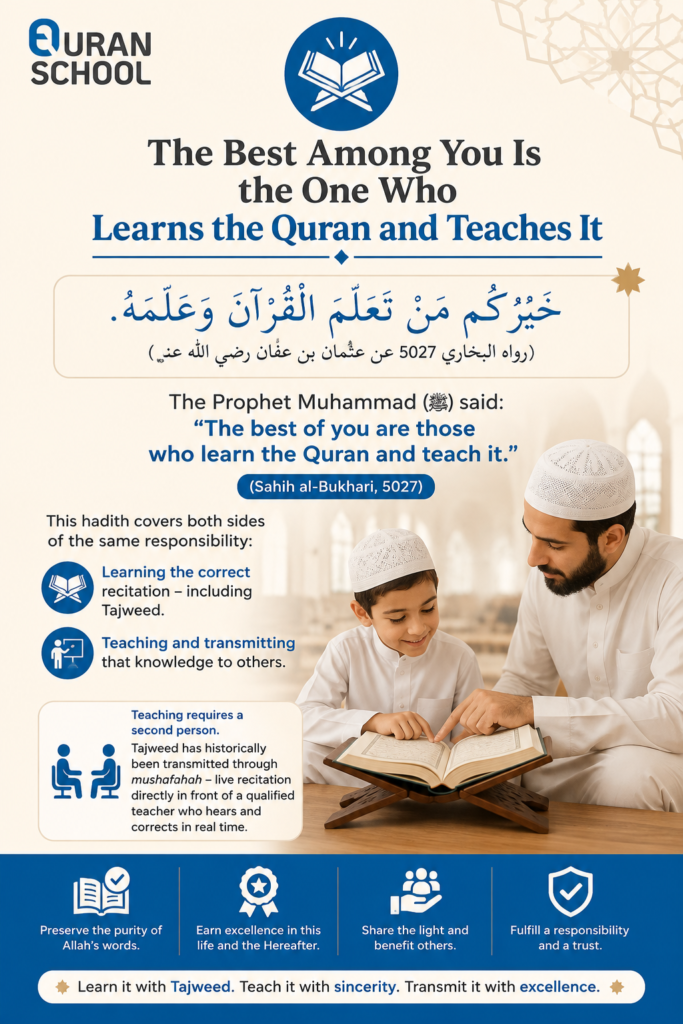
The fifth hadith shifts the focus from individual recitation to responsibility — and explains why Tajweed has never been treated as a personal achievement to keep to oneself. Arabic text narrated by ‘Uthman ibn ‘Affan رضي الله عنه): «خَيْرُكُمْ مَنْ تَعَلَّمَ الْقُرْآنَ وَعَلَّمَهُ. The Prophet Muhammad (ﷺ) said: “The best of you are those who learn the Quran and teach it.” (Sahih al-Bukhari, 5027)
This hadith covers both sides of the same responsibility: learning the correct recitation — including Tajweed — and transmitting that knowledge. The teaching half has a specific practical implication: it requires a second person. Tajweed has historically been transmitted through mushafahah — live recitation directly in front of a qualified teacher who hears and corrects in real time.
For anyone exploring the best way to learn Quran online, this hadith is a direct reminder: the method matters. Live correction from a qualified teacher is not a luxury — it is the historically established standard for Tajweed transmission. The importance of learning and teaching Quran has been recognized across every generation as a communal obligation that keeps the recitation of the Quran intact and correctly transmitted to each new generation.
See Us in Action
Watch a quick snippet from our live, interactive classes below and see how our teachers make learning engaging for all ages!
Start Your Quranic Journey Today
Experience our interactive online classes with a dedicated tutor.
Get Your Free Trial6. The Quran Will Intercede For Its Companions On The Day Of Judgment
The sixth hadith addresses what happens to a person’s recitation after death — and sets specific conditions for what qualifies as a genuine relationship with the Quran. Arabic text (narrated by Abu Umamah al-Bahili رضي الله عنه): «اقْرَؤُوا الْقُرْآنَ فَإِنَّهُ يَأْتِي يَوْمَ الْقِيَامَةِ شَفِيعًا لِأَصْحَابِهِ». The Prophet Muhammad (ﷺ) said: “Recite the Quran, for it will come on the Day of Resurrection as an intercessor for its companions.” (Sahih Muslim, 804)
This hadith is the basis for the belief that consistent, correct recitation is not only rewarded during a person’s lifetime but continues to act on their behalf after death. Scholars connect this specifically to recitation accompanied by study and understanding — not rote reading alone — which is part of why Tajweed, rather than casual reading, is the accepted standard in these discussions.
Pairing correct recitation with reflection is exactly what we learn from the Quran throughout the Islamic scholarly tradition — that the Book rewards those who treat it as a living relationship, not a task to complete.
Start Mastering the Quran from Home Today with Free Trial for your first session

7. Allah Raises Some People Through This Book And Lowers Others
This hadith is shorter than the others but among the most direct in establishing that a person’s relationship with the Quran — and its correct recitation — carries real consequences in both worlds. Arabic text (narrated by ‘Umar ibn al-Khattab رضي الله عنه): «إِنَّ اللَّهَ يَرْفَعُ بِهَذَا الْكِتَابِ أَقْوَامًا وَيَضَعُ بِهِ آخَرِينَ»
The Prophet Muhammad (ﷺ) said: “Allah raises some people through this Book and lowers others through it.” (Sahih Muslim)
Scholars interpret this hadith in relation to both action and neglect: those who recite correctly, regularly, and apply the Quran’s teachings are elevated; those who neglect or treat it carelessly are diminished. Among the most consistently documented benefits of reading Quran in Islamic scholarship is precisely this elevation — described not as metaphor but as a concrete consequence in the affairs of individuals and communities alike.
Book Your Free Session with One of EQuran School’s Certified Teachers
8. The Believer Who Recites the Quran Is Like A Fruit Whose Scent Reaches Everyone Around It
The eighth hadith takes a different approach — a vivid comparison the Prophet ﷺ used to describe the relationship between a believer’s faith and their regular recitation of the Book. Arabic text (narrated by Abu Musa al-Ash’ari رضي الله عنه): «مَثَلُ الْمُؤْمِنِ الَّذِي يَقْرَأُ الْقُرْآنَ مَثَلُ الْأُتْرُجَّةِ: رِيحُهَا طَيِّبٌ وَطَعْمُهَا حُلْوٌ، وَمَثَلُ الْمُؤْمِنِ الَّذِي لَا يَقْرَأُ الْقُرْآنَ كَمَثَلِ التَّمْرَةِ: لَا رِيحَ لَهَا وَطَعْمُهَا حُلْوٌ»
The Prophet Muhammad (ﷺ) said: “The example of a believer who recites the Quran is like a citrus fruit — its scent is good and its taste is sweet. The example of a believer who does not recite the Quran is like a date — it has no scent but its taste is sweet.” (Sahih al-Bukhari and Sahih Muslim)
The utrujjah — citrus fruit — served as a metaphor for both inner goodness (sweetness of faith) and outward, perceptible presence (the fragrance that reaches others). The reciter of the Quran carries both.
This hadith is cited in discussions of the health benefits of reading Quran — not as a medical claim, but as a classical description of the spiritual and communal flourishing that accompanies consistent, correct recitation: a believer whose Quran practice is regular and correct carries something others perceive, even before a word is spoken.
Join our Noorani Qaida Course and get a free trial

What The Quran Itself Commands About Recitation?
The eight hadiths above do not stand alone. Three Quranic verses are consistently cited in classical scholarship to establish that correct, careful recitation is a divine command — not a cultural preference.
Each verse below establishes a distinct point, which is why they deserve to be read separately rather than lumped together as a list.
A. “Recite the Quran with Measured Recitation” — The Direct Command
The most explicit Quranic instruction on recitation appears in Surah al-Muzzammil: “وَرَتِّلِ الْقُرْآنَ تَرْتِيلًا” — “And recite the Quran with measured recitation.” (73:4) Ali ibn Abi Talib رضي الله عنه defined tartil as: “Tajweed of the letters and knowledge of the stopping points.” The command form (rattil) is understood by scholars of usul al-fiqh as indicating obligation unless a qualifying evidence redirects it.
The additional weight of the cognate accusative (tartilan) signals that this is not incidental guidance but a deliberate, emphasized instruction.
B. “They Recite It as It Truly Deserves to Be Recited” — The Standard Named
“الَّذِينَ آتَيْنَاهُمُ الْكِتَابَ يَتْلُونَهُ حَقَّ تِلَاوَتِهِ” — “Those to whom We gave the Book recite it as it truly deserves to be recited.” (Al-Baqarah, 2:121)
Haqq al-tilawah — recitation as it deserves — is the shorthand scholars use for everything implied in reciting correctly: proper pronunciation, correct articulation, understanding, and Tajweed.
Understanding the benefits of reading Quran in Arabic starts precisely here — reciting in Arabic, correctly, preserves the exact sounds through which the revelation was transmitted from Gabriel to the Prophet ﷺ.
C. The Quran Has Been Made Easy — Direct Reassurance for Every Learner
“وَلَقَدْ يَسَّرْنَا الْقُرْآنَ لِلذِّكْرِ فَهَلْ مِنْ مُدَّكِرٍ” — “And We have certainly made the Quran easy for remembrance — so is there anyone who will remember?” (Al-Qamar, 54:17)
Allah chose to repeat this verse four times in Surah al-Qamar — more than any other verse in the same surah. The repetition is itself a rhetorical signal: the Quran has been made accessible, memorizable, and learnable.
For the student of Tajweed who finds the early stages genuinely difficult, this verse is direct reassurance — the difficulty is temporary and manageable, and it does not contradict what Allah has declared about the Quran’s accessibility to anyone who sincerely pursues it.
Read also: The Best Online Quran Classes for Non-Arabic Speakers
Experience Our Classes
Don’t just take our word for it—watch real-time recordings of our online classes below to experience our teaching style firsthand.
Start Your Quranic Journey Today
Experience our interactive online classes with a dedicated tutor.
Get Your Free TrialHow EQuran School Puts These Hadiths Into Practice Every Single Day?
Understanding the hadiths is the starting point. Acting on them — consistently, with qualified guidance — is what transforms knowledge into skill. This is where the design of a Tajweed program matters as much as the intention behind it.
Most online Quran platforms use generic Arabic phonics materials designed for native Arabic children. EQuran School developed the proprietary Al-Menhaj Book — authored by Luqman ElKasabany — specifically for non-Arabic speaking adults and children in Western contexts.
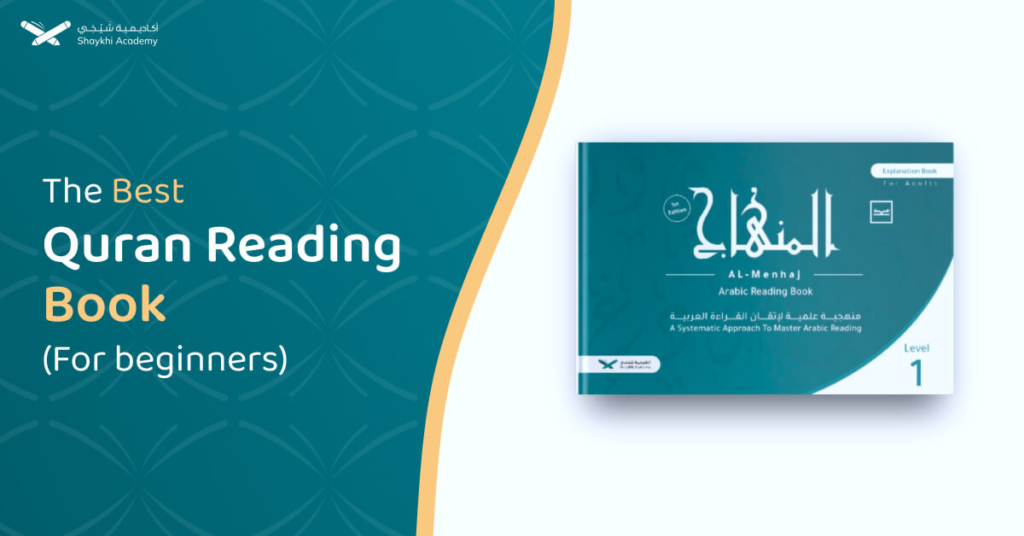
The methodology addresses the articulation challenges specific to English speakers: sounds that do not exist in English, letter distinctions that feel invisible at first, and pacing habits that need to be rebuilt rather than simply reinforced.
EQuran School’s complete curriculum covers every stage of the journey:
- Quran Tafsir Course
- Online Arabic and Quran Classes
- Online Quran Recitation Classes
- Online Quran Classes for Kids
- Learn Quran Easily at Home
- Weekend Quran Classes
- Zoom Quran Classes
Book a free trial class at E Quran School and experience personalized Quran instruction that adapts to your unique learning needs, Insha’Allah.

Start Your Quranic Journey Today
Experience our interactive online classes with a dedicated tutor.
Get Your Free TrialConclusion
The hadith about reading Quran with Tajweed does not build a case for one ruling — it builds a complete picture across eight authenticated narrations: what skilled recitation looks like, what reward it carries, what is promised to those still learning, and what follows when a person maintains a lifelong relationship with correct recitation.
The skilled reciter stands alongside the noble angels. The struggling beginner earns a double reward. The one who learns and teaches holds the highest rank among people. The Quran intercedes for those who made it a consistent, correct practice. And Allah raises people through this Book — or allows them to remain where they are when they neglect it.
The four Quranic verses add the foundation: tartil is commanded; recitation as the Book deserves is the stated standard; and the Quran, Allah has said four times over, has been made easy.
For anyone exploring how to learn Quran online from home, these hadiths are the clearest possible answer to whether the method and quality of recitation actually matters. Anyone who takes seriously what it means to learn the Quran and teach it — to be the best, as the Prophet ﷺ described — will find in these narrations both the motivation and the standard they need.
Frequently Asked Questions
What is the most important hadith about reading the Quran with Tajweed?
The hadith narrated by Aisha رضي الله عنها (Sahih al-Bukhari, 4937; Sahih Muslim, 798) is the most frequently cited. It covers both the proficient and struggling reciter in one narration: the skilled reciter is ranked with the noble angels, while the one who genuinely struggles receives a double reward. No other narration covers all categories of reciters this explicitly.
Is Tajweed obligatory in Islam?
The mainstream scholarly position is that Tajweed is individually obligatory (fard ‘ayn) to the extent that it prevents meaning-changing errors (lahn jali) in recitation. Errors that distort a word’s meaning — especially in Salah — constitute a failure to fulfill this obligation. The hadiths encourage a higher level of precision beyond this floor, but the baseline is meaning-preserving correctness.
Did the Quran mention Tajweed by name?
No. The word “Tajweed” does not appear in the Quran. The Quran commands tartil directly — “recite the Quran with measured, careful recitation” (73:4). Tajweed developed as the codified science for implementing that command precisely, preserving the pronunciation transmitted from the Prophet ﷺ through Gabriel.
Is a person rewarded for recitation even if their Tajweed is not yet perfect?
Yes — explicitly. The hadith of Aisha رضي الله عنها states that the one who stumbles and finds recitation genuinely difficult receives a double reward: one for the recitation and one for the effort. Beginners are not excluded from reward; the hadith was worded specifically to include them.
What does “companion of the Quran” mean in these hadiths?
Sahib al-Quran refers to the person who has memorized the Quran and maintains regular, correct recitation — not merely someone who owns a Mushaf or reads occasionally. The rank described in Hadith 4 is connected to the quality and consistency of recitation throughout a person’s life, not to a one-time memorization achievement.
What is the difference between Tajweed and Tartil?
Tartil is the Quranic term for deliberate, measured, careful recitation — the manner and pace described in Surah al-Muzzammil (73:4). Tajweed is the codified science developed to implement that command with precision: rules for articulation points (makhraj), letter characteristics (sifat), and how letters interact when adjacent.
How do I start learning Tajweed if I am a complete beginner?
Begin with the Arabic letters and their correct sounds — making a sincere dua for learning Quran before each session sets the right intention from the start. Progress through a foundational text like Noorani Qaida before moving into the rules of Tajweed proper. The single most important step is finding a qualified teacher who can hear your recitation and correct it in real time; no recording or textbook can replace that.









[…] Read also: What The Hadith About Reading Quran With Tajweed Reveals? […]