 Quran
Quran
Reciting the Quran is one of the greatest acts of worship a Muslim can perform — and one of the most underestimated. Many Muslims recite daily without fully realizing the scale of what they’re earning, spiritually, mentally, and in their daily lives.
The Prophet ﷺ said: “Whoever recites a letter from the Book of Allah receives one reward for it, and that reward is multiplied tenfold. I do not say that Alif Lam Mim is one letter, but rather Alif is a letter, Lam is a letter, and Mim is a letter.” (Tirmidhi)
This article covers the most significant benefits of Quran recitation — backed by authentic hadith and grounded Quranic guidance — along with practical steps to make recitation a lasting daily habit.
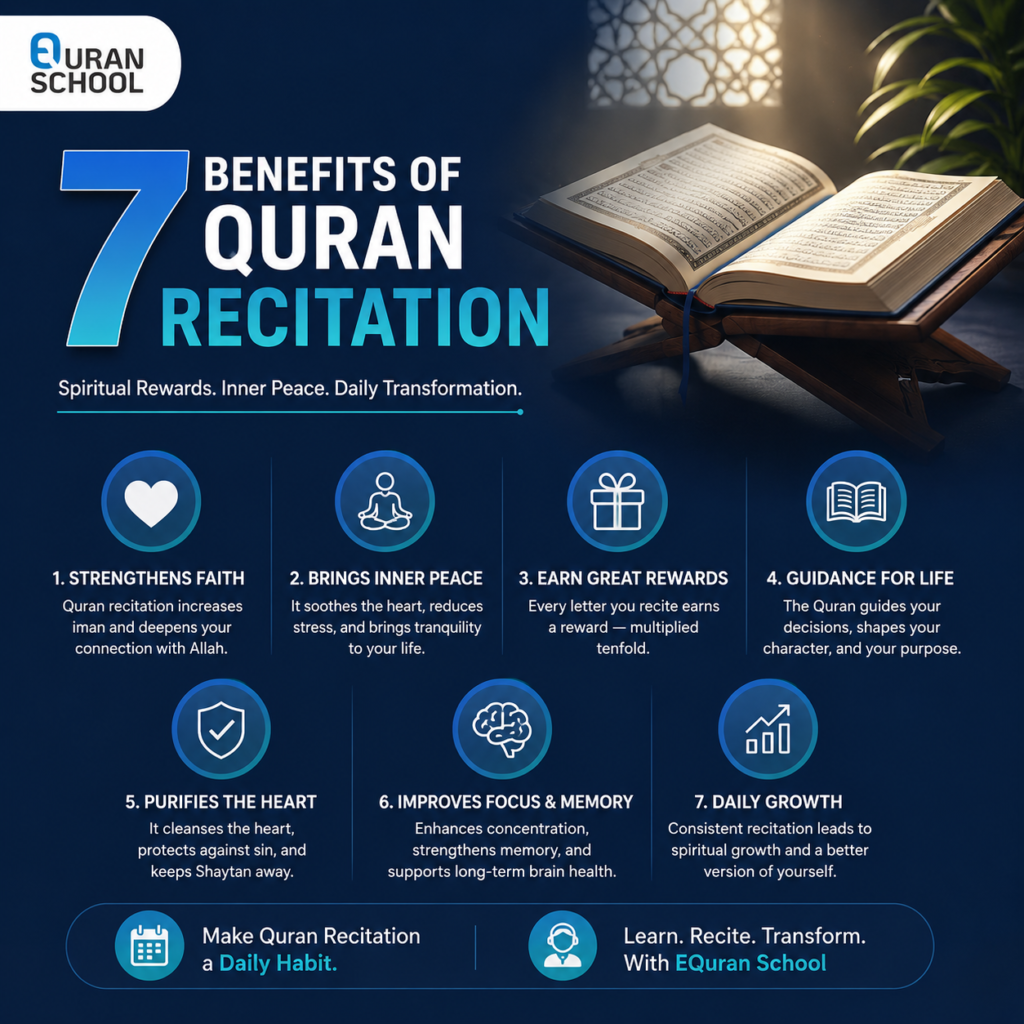
1. Strengthening Faith and Deepens Your Relationship With Allah
Faith is not static — it rises and falls based on what you feed it. Quran recitation is one of the most direct ways to increase it. Allah says in the Quran: “And when a surah is revealed, there are some of them who say, ‘Which of you has this increased in faith?’ As for those who believe, it increases their faith.” (At-Tawbah: 124)
The more consistently you recite, the more clearly you begin to recognize Allah’s attributes — His mercy, His justice, His knowledge. This awareness builds a relationship rooted in understanding, not routine.
Many students who enroll in an Online Quran Recitation Classes program at EQuran School report that their sense of connection to Allah deepens noticeably within the first few weeks of structured daily recitation — not because they recite more, but because they begin to recite with attention.

2. Bringing Inner Peace and Reduces Stress
One of the most immediate and widely experienced benefits of Quran recitation is the sense of calm it produces. Allah says: “Verily, in the remembrance of Allah do hearts find rest.” (Ar-Ra’d: 28)
The Prophet ﷺ said: “No people gather in one of Allah’s houses, reciting the Book of Allah and studying it together, except that tranquility descends upon them, mercy covers them, the angels surround them, and Allah mentions them to those in His presence.” (Muslim)
This is not metaphorical comfort. Research published in peer-reviewed journals on Islamic psychology and psychotherapy has found measurable reductions in anxiety and cortisol levels among participants who engage in regular Quran recitation.
Read also: The Best Of You Are Those Who Learn the Quran And Teach It

3. Earning Great Rewards for Every Letter Recited
Every letter of the Quran you recite earns you a reward. Not every word — every letter.
The Prophet ﷺ said: “Whoever recites a letter from the Book of Allah receives one reward for it, and that reward is multiplied tenfold. I do not say that Alif Lam Mim is one letter, but rather Alif is a letter, Lam is a letter, and Mim is a letter.” (Tirmidhi — Hasan Sahih)
Scholars have calculated that Surah Al-Baqarah alone contains over 25,000 letters. Reciting it once earns a minimum of 250,000 rewards — each multiplied tenfold. This arithmetic is not meant to reduce recitation to numbers, but to illustrate what consistent recitation accumulates over a lifetime.
Read also: How to Learn Qirat of Quran?

4. Serving as Guidance for Everyday Life
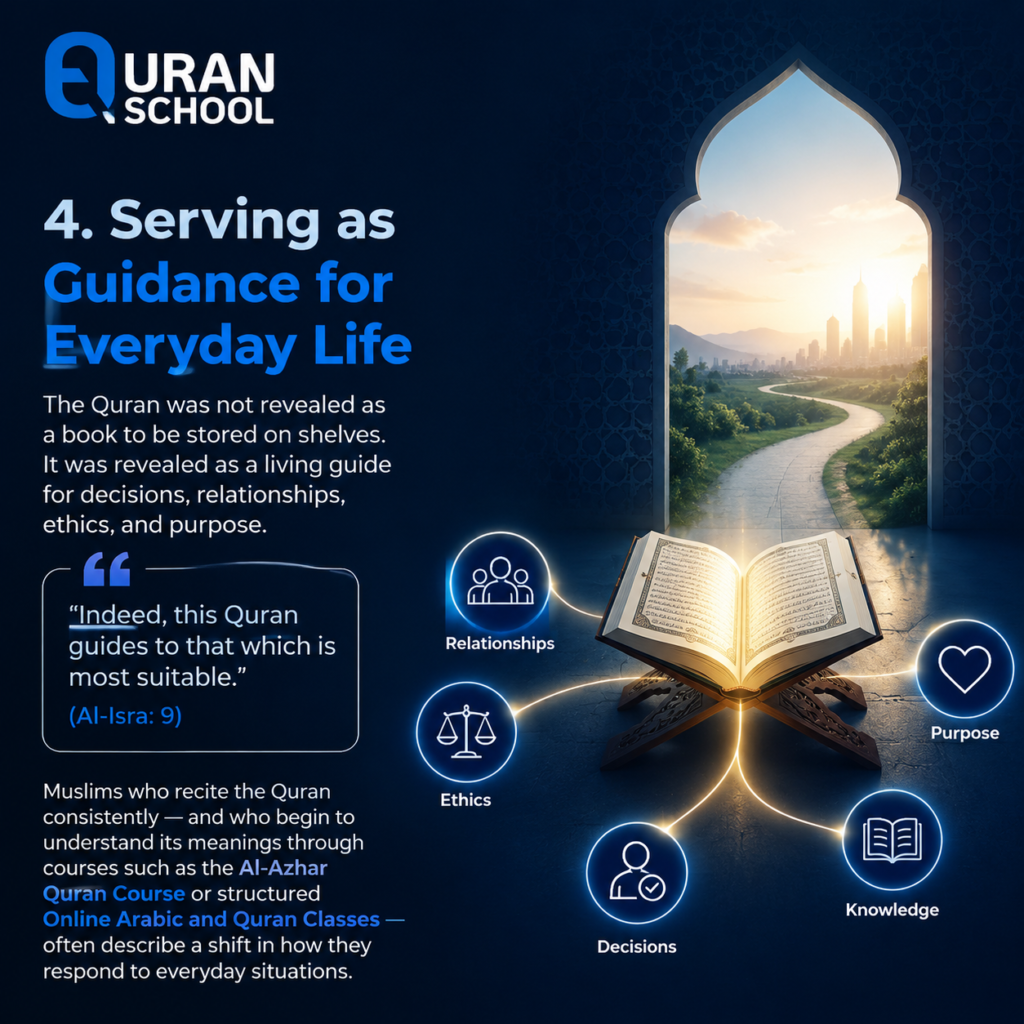
The Quran was not revealed as a book to be stored on shelves. It was revealed as a living guide for decisions, relationships, ethics, and purpose. Allah describes it: “Indeed, this Quran guides to that which is most suitable.” (Al-Isra: 9)
Muslims who recite the Quran consistently — and who begin to understand its meanings through courses such as the Al-Azhar Quran Course or structured Online Arabic and Quran Classes — often describe a shift in how they respond to everyday situations.
The Quran does not just give rulings. It shapes the character of the one who recites it. The Prophet ﷺ said: “The person who has no Quran in his heart is like a ruined house.” (Tirmidhi).
A person who recites the Quran regularly carries a framework of values that informs how they treat their family, manage their work, and face their trials.
Experience Our Classes
Don’t just take our word for it—watch real-time recordings of our online classes below to experience our teaching style firsthand.
Start Your Quranic Journey Today
Experience our interactive online classes with a dedicated tutor.
Get Your Free TrialRead also: Quran Reading Apps: A Complete Guide for Muslims Worldwide
5. Purifying the Heart and Protecting Against Sin
The heart is the seat of intention, and recitation is one of the most direct means of purifying it. Allah says: “We send down of the Quran that which is a healing and a mercy for the believers.” (Al-Isra: 82)
Ibn al-Qayyim described the diseases of the heart as two types: the disease of doubt (which corrupts belief) and the disease of desire (which corrupts action). The Quran treats both. Its verses correct distorted beliefs and strengthen the resolve to resist what the heart knows is harmful.
The Prophet ﷺ also said: “Indeed, Satan flees from the house in which Surah Al-Baqarah is recited.” (Muslim) Regular recitation is described in Islamic tradition as a shield — not a passive one, but one that must be actively held.
Book Your Free Session with One of Our Certified Teachers
6. Improving Mental Focus, Memory, and Cognitive Well-Being
Quran recitation, and especially memorization, trains the brain in ways that are increasingly recognized beyond the Islamic tradition.
The Quran Memorization (Hifz) Course is one of the most cognitively demanding educational commitments a person can undertake. Memorizing the entire Quran — 6,236 verses across 114 surahs — requires daily repetition, pattern recognition, precise recall, and sustained attention over months or years.
These are the same skills cognitive science identifies as central to neuroplasticity and long-term memory health. Studies conducted in Malaysia, Egypt, and the UK on students enrolled in hifz programs found measurably higher performance in working memory tasks compared to control groups.
Learn Quran Easily at Home through EQuran School’s structured programs, which are designed precisely to build this engagement progressively, without overwhelming beginners.
Join our Noorani Qaida Course and get a free trial

Read also: Ramadan Quran Reading Chart and Schedule
7. Inviting Barakah (Blessings) Into Daily Life
Barakah — divine blessing — is one of those Arabic concepts that has no perfect English equivalent. It is not just abundance. It is sufficiency, growth, and goodness that comes from Allah in what might otherwise seem like a small amount.
The Prophet ﷺ advised Abu Dharr: “Hold fast to reciting the Quran, for it is a light for you on earth and a treasure for you in heaven.” (Ibn Majah)
Muslims who maintain a daily Quran recitation habit report consistent patterns: more is accomplished in less time, difficult situations resolve unexpectedly, and a general sense of purpose replaces routine anxiety.
Practically, the households described in hadith as filled with Quran recitation are described as spacious (in spirit), visited by angels, and avoided by shayateen. This contrast — between the home of recitation and the home of neglect — is a framework worth taking seriously.
Read also: The Best Quran Learning Games for Kids

8. Worldly Benefits of Reciting Quran
Quran recitation produces real, tangible effects in a person’s life in this world — not only in the hereafter.
A. Emotional Resilience:
Regular engagement with the Quran builds the ability to face hardship without despair. The stories of the prophets — Musa (Moses), Ibrahim (Abraham), Yusuf (Joseph) — are not just historical.
They are templates for enduring difficulty with dignity. Muslims who recite these accounts regularly internalize that hardship is part of a larger plan they can trust.
B. Stronger Family Relationships:
Families that establish a shared Quran recitation routine — even ten minutes after Maghrib — report a consistent sense of unity and shared purpose. This is especially relevant for Muslim families in Western countries navigating cultural pressures that fragment family life.
Start Your First Session in Your Quranic Journey Today for Free
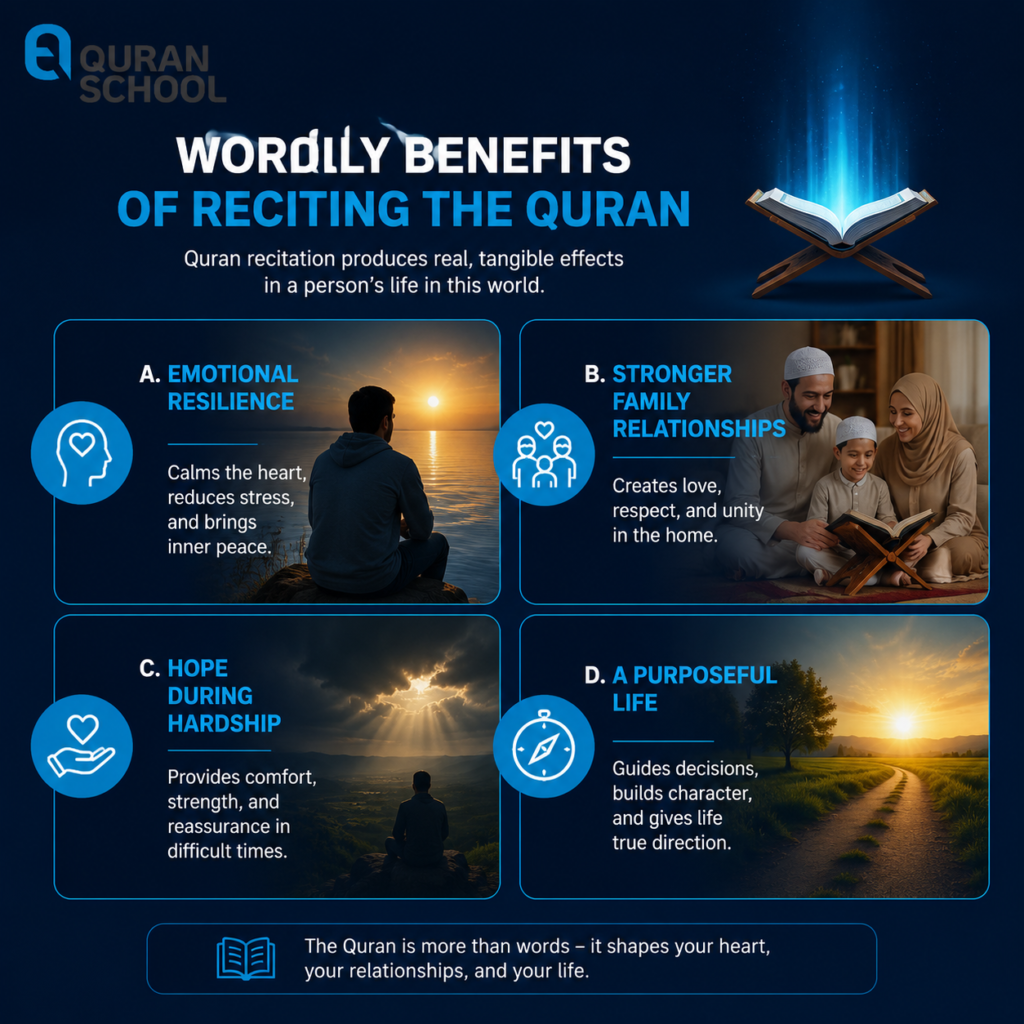
C. Hope During Hardship:
The Quran directly addresses grief, fear, loss, and uncertainty. Verses such as “Verily, with hardship comes ease” (Al-Inshirah: 6) are not platitudes — they are divine assurances. Reciting them consistently builds a person’s capacity to wait and trust.
D. A Purposeful Life:
Perhaps the most underappreciated worldly benefit is meaning. In a culture that offers distraction instead of purpose, the person who recites daily carries a sense of where they are going and why. The Quran grounds a Muslim’s identity in something that does not shift with trends, anxiety, or comparison.
See Us in Action
Watch a quick snippet from our live, interactive classes below and see how our teachers make learning engaging for all ages!
Start Your Quranic Journey Today
Experience our interactive online classes with a dedicated tutor.
Get Your Free TrialStart Learning Quran Recitation with Expert Guidance Today
Whether you are reciting for the first time or looking to elevate years of practice, the difference between reciting alone and reciting with a qualified teacher is the difference between wandering and progressing.
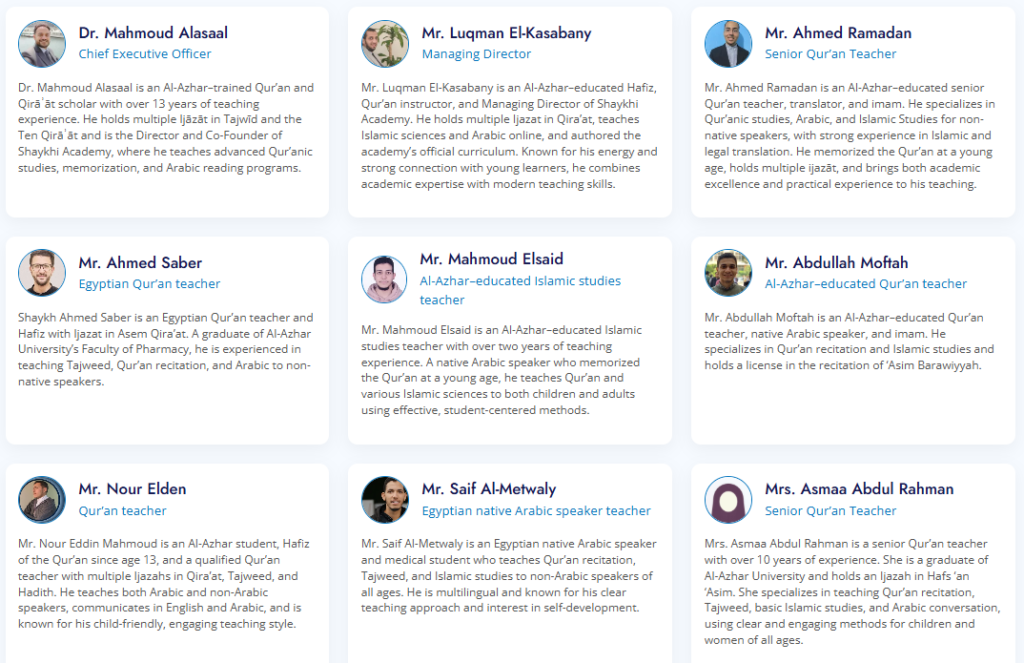
EQuran School connects students in the USA, UK, Canada, Australia, and across the world with certified teachers — including graduates of Al-Azhar and holders of the Quran Ijazah Program — for structured, flexible, one-on-one online sessions.
E Quran School provides complete curriculum including:
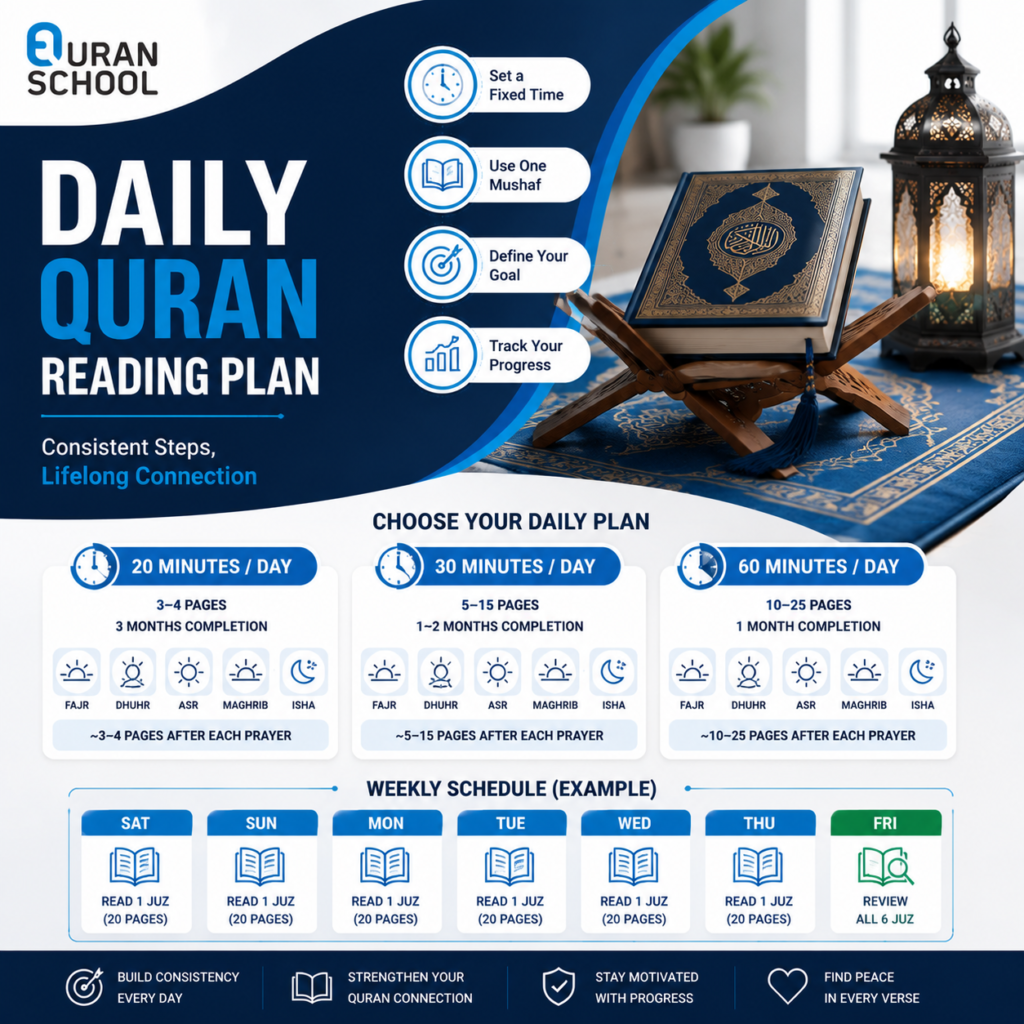
- Quran Qirat Learning Course
- Online Quran Learning with Tajweed Course
- Quran Tafsir Course
- Quran Reading Classes
- Female Quran Teacher for Ladies
- Noorani Qaida Course for Kids
- Skype Quran Classes
Book a free trial class at E Quran School and experience personalized Quran instruction that adapts to your unique learning needs, Insha’Allah.
Start Your Quranic Journey Today
Experience our interactive online classes with a dedicated tutor.
Get Your Free TrialConclusion
The benefits of Quran recitation span every dimension of human life: spiritual, psychological, cognitive, and social. In this world, recitation brings peace, clarity, barakah, and protection. In the hereafter, the Quran intercedes for its people and raises them in rank.
The Prophet ﷺ confirmed: “It will be said to the companion of the Quran: Recite and rise, recite as you used to recite in the world, for your rank will be at the last verse you recite.” (Abu Dawud)
The question is not whether the benefits are real — they are documented in authentic hadith, attested by scholars across fourteen centuries, and lived by millions. The question is whether you recite consistently enough to experience them.
Frequently Asked Questions
What are the main benefits of Quran recitation?
The main benefits include earning ten rewards for every letter recited, inner peace and reduced anxiety, guidance for daily decisions, purification of the heart, barakah in livelihood and time, and the Quran’s intercession on the Day of Judgment. These benefits apply in this world and the next.
Is there a reward for reciting the Quran even if my pronunciation is not perfect?
Yes. The Prophet ﷺ said that the person who recites with difficulty and stumbles earns two rewards — one for reciting and one for the effort. However, learning correct pronunciation through a qualified teacher or a Noorani Qaida Course is strongly recommended, as it increases both reward and comprehension.
How much of the Quran should I recite every day?
Scholars advise starting with whatever you can sustain consistently — even half a page daily. Consistency is more important than volume. Once the habit is stable, you can gradually increase it. A structured program such as Learn Quran Easily at Home through EQuran School can help you set and maintain realistic goals.
Can adults benefit from Quran memorization?
Absolutely. The reward for memorization has no age limit, and cognitive research supports that adult learners can memorize effectively with the right methodology. Hifz Classes for Adults at EQuran School are specifically designed for adult learners balancing work and family commitments.
What is the difference between reciting and listening to the Quran?
Reciting earns the letter-by-letter reward described in the hadith. Listening carries its own virtue but is not equivalent. Ibn Mas’ud said that the instruction “listen to it attentively” refers to listening during prayer — active, engaged listening rather than background listening. For full benefit, active recitation should be your primary practice.
Does Quran recitation have to be in Arabic to earn reward?
Yes — the letter-by-letter reward applies specifically to Arabic recitation, as that is the language of revelation. Reading a translation does not carry the same ruling but is encouraged for understanding.









Leave a Reply