 Learn Quran
The recitation of the Quran through different authentic Qira’at styles represents one of the most profound sciences in Islamic scholarship. These variant recitation methods, transmitted through unbroken chains since the Prophet Muhammad ﷺ, preserve the linguistic richness and divine preservation of Allah’s final revelation.
Learning Qirat of Quran requires structured guidance under certified instructors who understand authentic transmission chains, phonetic precision, and the subtle differences between recitation styles. This guide provides specialized steps to help you master this noble art with expert methodology and traditional authenticity.
1. Understand What Qirat of Quran Actually Means
Qirat refers to the authentic methods of Quranic recitation transmitted through verified chains of narration. These are not different versions of the Quran but rather variations in pronunciation, vowel application, and letter characteristics that were revealed to accommodate Arabic dialects.
The ten recognized Qira’at all trace back to Prophet Muhammad ﷺ through certified transmitters. Each Qirat maintains the Quran’s meaning while offering phonetic variations that enrich recitation. The most common is Qirat Hafs ‘an Asim, which most Muslims worldwide use today.
The Seven Main Qira’at
The seven major Qira’at include: Nafi’, Ibn Kathir, Abu Amr, Ibn Amir, Asim, Hamzah, and Al-Kisai. Each has two narration chains (Riwayat), creating fourteen authentic transmission methods. Advanced students often study multiple Qira’at to deepen their understanding of Quranic phonetics.
Understanding these foundations helps you appreciate why learning Qirat requires specialized instruction beyond basic Quran reading.
2. Establish Strong Tajweed Foundations Before Learning Qirat of Quran
You cannot learn Qirat of Quran effectively without mastering Tajweed rules first. Qira’at variations build upon fundamental pronunciation principles, making Tajweed prerequisites absolutely essential. Without proper articulation points (Makharij) and characteristics (Sifaat), distinguishing between Qira’at becomes impossible.
Focus on perfecting rules like Qalqalah, Ghunnah, and the various types of Madd. These form the building blocks for understanding how different Qira’at apply these principles with slight variations.
Practice reciting with your teacher’s supervision until pronunciation becomes natural. Recording yourself and comparing with expert recitation helps identify areas needing improvement before advancing to Qirat studies.
E Quran School’s Online Quran Learning with Tajweed Course provides the foundational training needed before advancing to Qira’at studies. Our certified Qaris ensure students master all seventeen articulation points and their associated characteristics through personalized 1-on-1 sessions.
Start learn Quran with Tajweed with your first free class

3. Choose Which Qirat of Quran to Learn First
Most students should begin with Qirat Hafs ‘an Asim since it’s the most widespread globally. This allows you to compare your new learning with familiar recitation patterns. After mastering Hafs, advancing to Warsh ‘an Nafi’ or Qalun ‘an Nafi’ provides natural progression.
Consider your geographical context and community needs when selecting. North African communities often use Warsh, while Middle Eastern and Asian Muslims predominantly follow Hafs. Learning the Qirat used in your community enhances practical application opportunities.
Never attempt learning multiple Qira’at simultaneously as a beginner. Master one completely before introducing variations to avoid confusion and pronunciation mixing.
E Quran School’s Quran Qirat Learning Course guides students through systematic Qirat selection based on their background, goals, and current proficiency level. Our instructors assess your readiness and recommend appropriate starting points.
Book Your Free Trial in the Quran Qirat Learning Course

4. Find Qualified Teachers to Learn Qirat of Quran Authentically
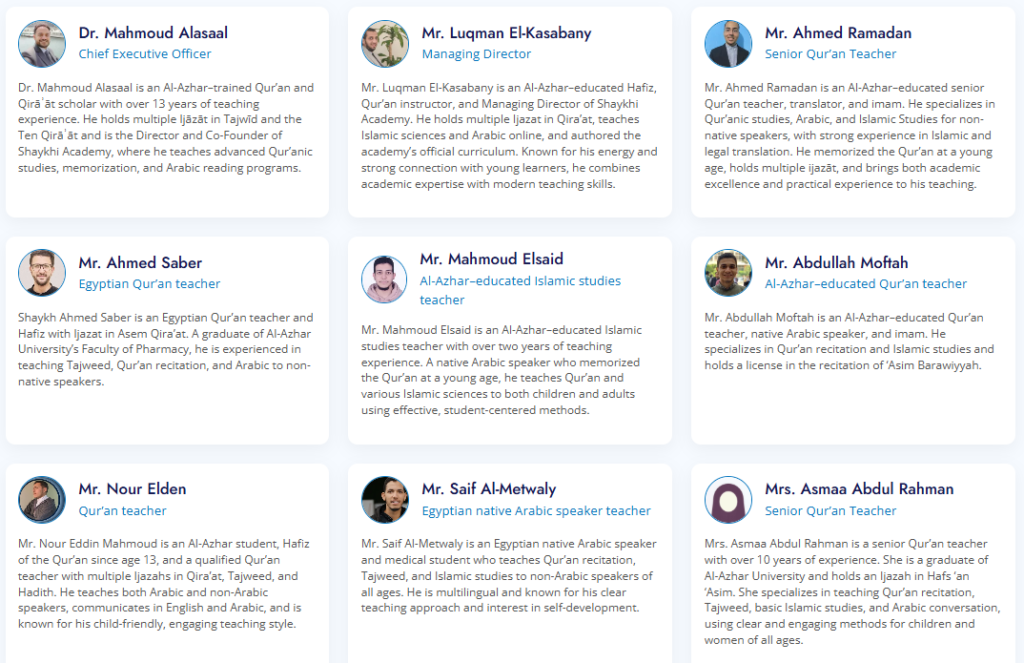
Learning Qirat requires teachers with verified Ijazah certificates in their specific Qirat. These credentials confirm unbroken chains of transmission back to the Prophet ﷺ. Without authentic transmission, your recitation lacks the religious validity that makes Qira’at spiritually significant.
Verify your teacher’s certification by asking about their chain of narration. Authentic instructors willingly share their Sanad (chain) and can trace it back through verified scholars. This transparency distinguishes qualified Qaris from those with incomplete training.
Online learning platforms now make accessing qualified teachers globally feasible. However, prioritize instructors who offer live interaction over pre-recorded content, as Qirat requires immediate correction and personalized feedback.
Book Your Free Session with One of Our Certified Teachers
5. Master the Differences Between Your Chosen Qirat and Others
Each Qirat contains specific rules governing pronunciation variations. These differences typically involve vowel lengths (Madd), letter characteristics, stopping points (Waqf), and beginning points (Ibtida’). Systematic comparison helps internalize these distinctions without confusion.
Create comparison charts documenting how your chosen Qirat differs from Hafs in common examples. For instance, note how Warsh pronounces certain Hamzahs differently or applies Tashil (softening) in specific contexts.
Regular practice comparing identical verses across different Qira’at strengthens recognition. Record yourself reciting the same passage in different styles and analyze the variations.
Read Also: How to Learn Quran by Heart?
6. Apply Specialized Qirat Rules During Quran Recitation Practice
Theoretical knowledge means nothing without consistent practical application. Dedicate daily practice sessions specifically to Qirat-related recitation, separate from general Quran reading. This focused approach builds muscle memory for pronunciation variations.
Start with short Surahs like Al-Fatihah and Al-Ikhlas to master Qirat-specific rules in controlled contexts. Once comfortable, gradually extend to longer passages while maintaining pronunciation accuracy.
Practice with marked Mushafs that indicate Qirat-specific variations. Color-coded texts help visual learners identify where their chosen Qirat differs from standard recitation patterns.
Read Also: Quran Recitation for Beginners
7. Seek Ijazah Certification
Ijazah represents formal authorization to recite and teach Quran in a specific Qirat. This certification requires complete Quran recitation before qualified scholars who verify your pronunciation accuracy against traditional standards. The process typically spans multiple recitation sessions over several months.
Prepare thoroughly before requesting Ijazah examination. Most scholars require flawless recitation of the entire Quran demonstrating consistent Qirat application. Any hesitation or error may require repeated sections or postponed certification.
The Ijazah document includes your name, your teacher’s name, the specific Qirat, and the unbroken chain of transmission. This sacred document connects you directly to the Prophet Muhammad ﷺ through verified scholarly links.
Read Also: Learn Quran Alphabet
Start Your Quranic Journey Today
Experience our interactive online classes with a dedicated tutor.
Get Your Free TrialRead Also: How to Learn the Quran?
Start Your Qirat Learning Journey with E Quran School
Mastering authentic Quranic recitation through different Qira’at requires expert guidance, systematic progression, and years of dedicated practice under qualified instruction.
E Quran School offers comprehensive Qirat education through:
- Certified Qaris holding authentic Ijazah certificates with verified Sanad
- Personalized 1-on-1 instruction tailored to your current proficiency level
- Flexible 24/7 scheduling accommodating students worldwide
- Progressive curriculum from foundational Tajweed through advanced Qirat mastery
- Quran Qirat Learning Course specifically designed for serious students seeking authentic transmission
E Quran School provides complete curriculum including:
- Quran Memorization (Hifz) Course
- Online Quran Learning with Tajweed Course
- Quran Tafsir Course
- Online Arabic and Quran Classes
- Quran Qirat Learning Course
- Online Quran Recitation Classes
Book a free trial class at E Quran School and experience personalized Quran instruction that adapts to your unique learning needs, Insha’Allah.
Conclusion
Learning Qirat of Quran demands commitment to authentic transmission chains, mastery of foundational Tajweed, and years of disciplined practice. The science of Qira’at preserves the Prophet’s recitation through unbroken scholarly lineages spanning fourteen centuries of Islamic scholarship.
Success requires qualified teachers holding legitimate Ijazah certificates, systematic progression through established learning stages, and consistent daily practice. Rushing this process compromises both pronunciation accuracy and the spiritual validity that makes Qirat religiously significant.
Whether beginning with Hafs, Warsh, or another authentic Qirat, approach this noble science with humility and patience. The rewards—both spiritual and intellectual—justify the extended effort required to master this profound aspect of Quranic preservation.


Leave a Reply